

Blog
Finding the Perfect Workout Routine: Scientifically Proven Methods to Train More Efficiently
Finding the perfect workout routine can feel overwhelming—especially with endless advice online. But the truth is simple: the best training program is one built on scientifically proven methods.
FITNESS
Finding the perfect workout routine can feel overwhelming—especially with endless advice online. But the truth is simple: the best training program is one built on scientifically proven methods, tailored to your goals, supported by smart recovery, and optimized for long-term progress. Whether you want to build muscle, burn fat, increase endurance, or just feel better every day, understanding the science behind effective training is the key to unlocking consistent results.
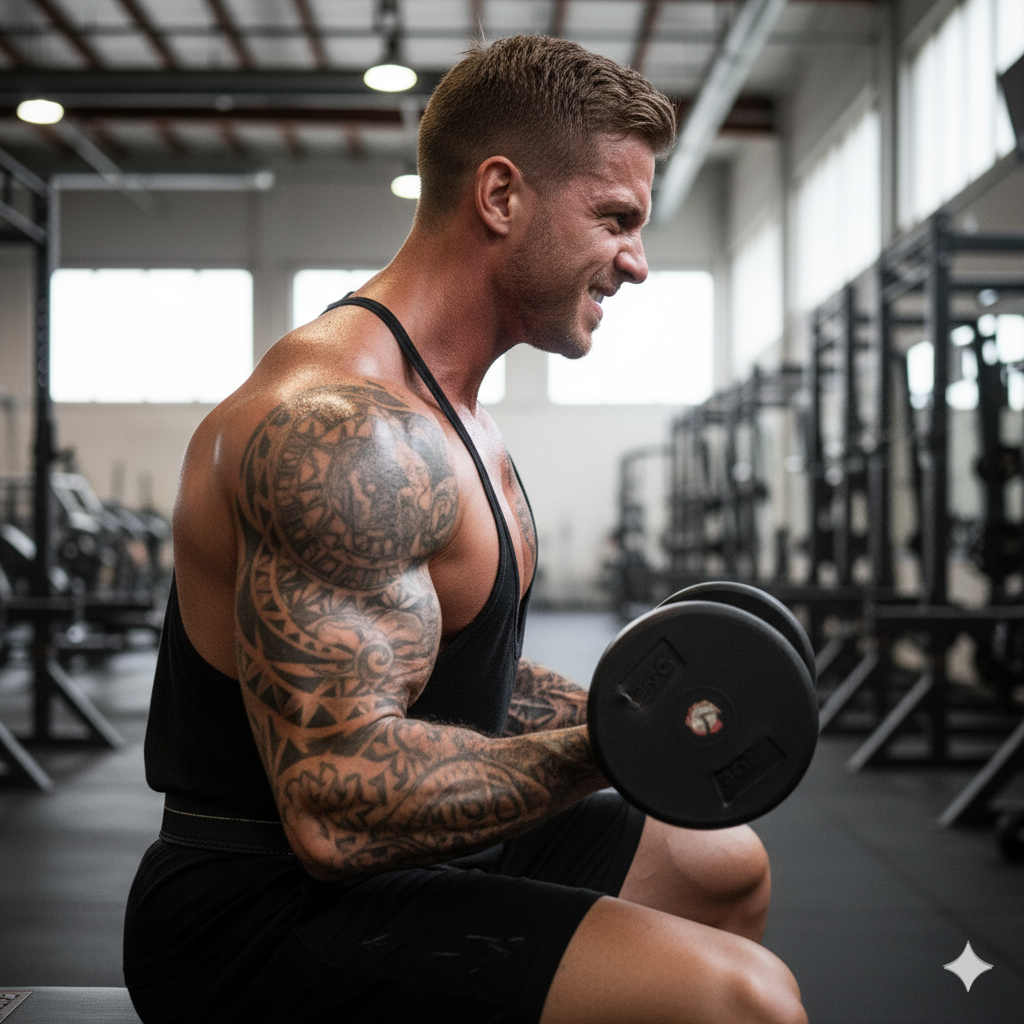
Why Finding the Perfect Workout Routine Matters
A well-designed workout routine does more than improve your physique. It helps you:
Train smarter, not longer
Avoid burnout and injuries
Improve recovery speed
Build sustainable habits
Achieve measurable results
When you follow evidence-based training methods, every session has a purpose—and your body responds faster.
Scientifically Proven Methods to Train More Efficiently
The most important research-backed strategies for maximizing your workout efficiency.
1. Progressive Overload: The Foundation of Real Progress
To grow stronger or fitter, your body needs gradually increasing demands.
This can be done by:
Increasing weight
Adding reps or sets
Improving tempo or range of motion
Reducing rest time
Studies show that progressive overload is the most reliable way to build strength and muscle.
2. Short, Intense Sessions Beat Long, Unfocused Workouts
Research consistently proves that high-intensity training—whether strength-based or cardiovascular—stimulates more adaptation in less time.
Examples include:
Interval training
Supersets
EMOM or AMRAP circuits
Tempo training
You don’t need 2–hour workouts. You need focused intensity, backed by science.
3. Train Movements, Not Just Muscles
Functional, compound exercises engage multiple muscle groups at once, burning more calories and building more strength.
Top scientifically recommended movements:
Squats
Deadlifts
Pull-ups
Bench press
Rows
Lunges
Overhead presses
These deliver more results per minute than isolated exercises.
4. Personalized Workout Routines Deliver the Best Results
The ideal routine depends on your:
Body type
Experience level
Training frequency
Recovery ability
Fitness goals
Personality and motivation style
Science suggests that individuals who follow personalized training plans are more consistent and achieve faster progress.
5. The 80/20 Rule: Focus on What Matters Most
For efficient training, 80% of your results come from:
Consistent training
Compound movements
Progressive overload
Proper nourishment
Adequate recovery
The remaining 20%—supplements, specialized techniques, and advanced exercises—can be added once the fundamentals are solid.
6. Recovery Is Part of the Workout
Science now confirms that progress happens during recovery, not during the workout.
Key recovery strategies:
7–9 hours of sleep
Hydration
Balanced nutrition and micronutrients
Active recovery: walking, stretching, mobility flows
Rest days to prevent overtraining
Skipping recovery is one of the biggest reasons people plateau.
7. Track Your Progress for Maximum Efficiency
Research shows that people who track their workouts:
Put in more consistent effort
Achieve faster improvements
Stay motivated longer
A simple log of weights, reps, and rest times can significantly improve training efficiency.
How to Build Your Perfect Workout Routine
Follow this simple framework rooted in sports science:
Step 1: Choose 4–6 compound exercises
Prioritize strength and functional movements.
Step 2: Train 3–5 times per week
Consistency beats intensity.
Step 3: Apply progressive overload
Improve 1% every session.
Step 4: Mix intensities
Combine strength, conditioning, mobility, and flexibility.
Step 5: Evaluate and adjust every 4–6 weeks
Your routine should evolve as you get stronger.
Final Thoughts: Train Smarter, Not Harder
Finding the perfect workout routine isn’t about copying someone else’s program. It’s about understanding the science of efficient training, listening to your body, and building habits that support long-term health and performance.
When you apply proven training methods—progressive overload, compound movements, proper recovery, and personalization—you unlock faster progress, more energy, and better results in less time.
Achieve more with every workout. Train with purpose. Train with science.